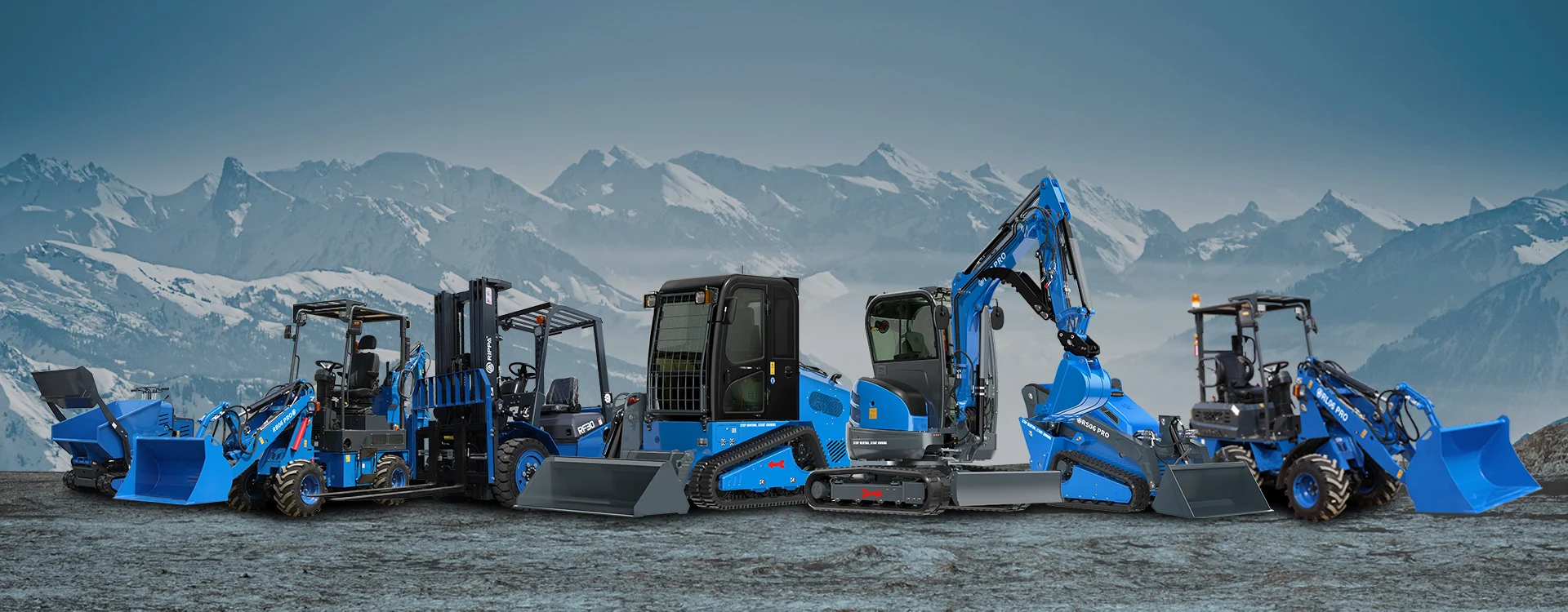
When comparing compact construction equipment, buyers often consider a skid steer loader and a compact track loader. Both machines are designed for material handling and jobsite tasks, but their undercarriage systems influence how they perform in different working environments.
A wheeled skid steer loader uses tires, while a compact track loader operates on tracks. The right choice depends on ground conditions, transportation requirements, operating costs, and the type of work the equipment will perform.
For contractors, machinery dealers, and equipment buyers, understanding these differences can make equipment selection more practical.
1. Understand the Main Difference
The most visible difference between the two machines is their undercarriage.
A traditional skid steer loader generally uses four wheels. Its compact design and maneuverability make it suitable for many construction, agricultural, landscaping, and material handling applications.
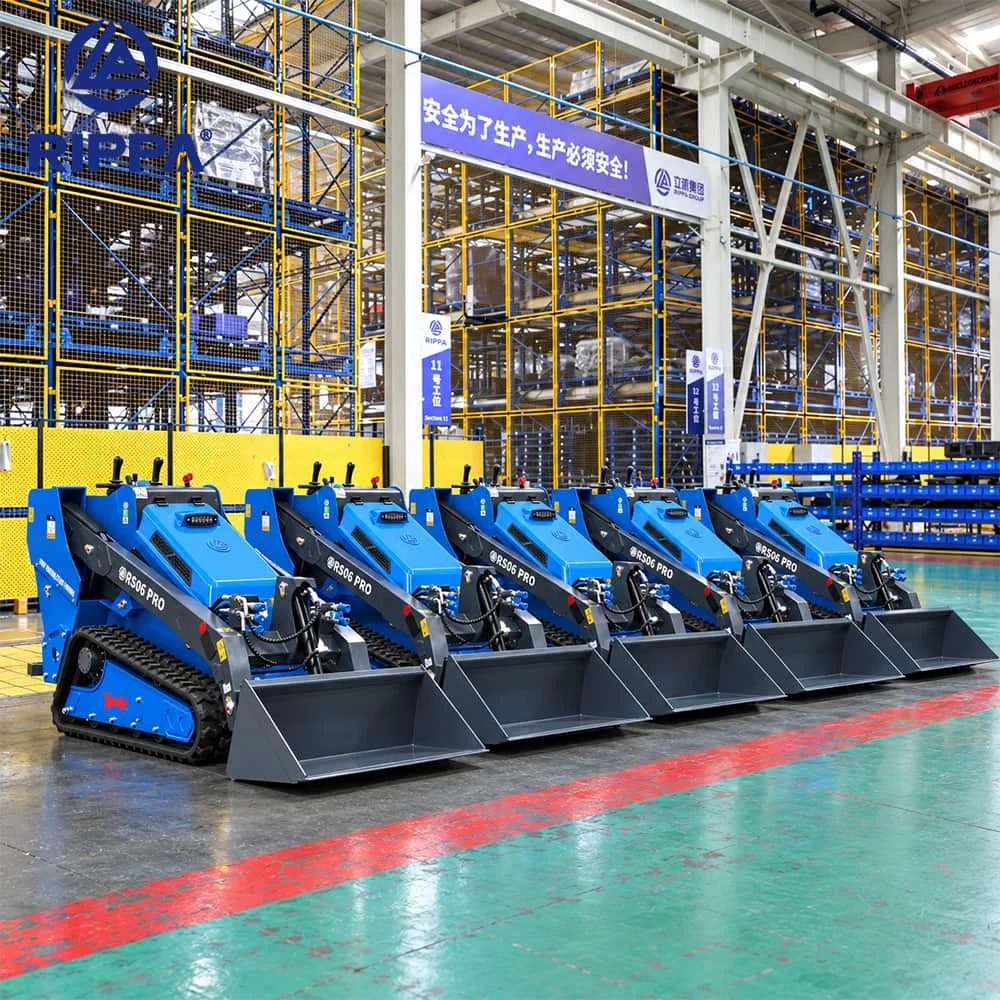
A compact track loader uses a continuous track system instead of conventional wheels. The larger ground contact area can be beneficial when operating on softer or uneven surfaces.
Neither design is automatically better for every job. Buyers should evaluate the actual working environment before selecting a machine.
2. Compare Performance Across Different Ground Conditions
Ground conditions can have a significant impact on equipment selection.
Hard and Prepared Surfaces
Wheeled skid steer loaders are commonly considered for concrete, asphalt, and other firm surfaces. Their tire-based design is suitable for many everyday material handling tasks.
For businesses that frequently work in warehouses, paved construction areas, and prepared outdoor sites, a wheeled machine may be a practical option.
Soft or Uneven Ground
Compact track loaders are often considered for loose soil, muddy areas, and surfaces where additional ground contact may be useful.
Their track systems distribute machine weight over a larger contact area compared with many wheeled designs. This can help reduce ground pressure, although actual performance depends on machine design, operating conditions, and surface characteristics.
Mixed Jobsite Conditions
Some contractors work across several types of surfaces. In this situation, the decision should be based on which conditions occur most frequently and which equipment limitations would affect daily productivity.
3. Compare Maneuverability and Operating Environment
Both machine types are designed for compact work areas, but their handling characteristics differ.
A wheeled skid steer loader is known for its ability to turn within a small working area. Its tire-based undercarriage makes it useful for many jobs where frequent repositioning is required.
A compact track loader can also operate in confined spaces, but buyers should consider its track system, ground conditions, and turning behavior.
When comparing machines, evaluate:
- Available operating space
- Surface conditions
- Frequency of turning and repositioning
- Transportation between jobsites
- Required attachments
- Expected daily workload
A machine that fits the physical conditions of the jobsite can help operators work more efficiently.
4. Consider Maintenance and Operating Costs
Maintenance requirements are another important factor.
Wheeled skid steer loaders require attention to tires, wheel components, and other machine systems. Tire condition and replacement requirements should be considered when estimating long-term operating expenses.
Compact track loaders require attention to track condition and related undercarriage components. Track replacement and undercarriage maintenance can influence the total cost of ownership.
Buyers should compare more than the initial purchase price. A useful cost assessment includes:
- Purchase price
- Routine maintenance
- Tire or track replacement
- Parts availability
- Transportation expenses
- Expected operating frequency
The actual cost difference varies by machine, application, working conditions, and maintenance practices.
5. Which Machine Is Better for Different Industries?
The most suitable equipment depends on the customer’s working environment.
Construction contractors: Buyers working mainly on firm surfaces may consider wheeled skid steer loaders. Projects involving soft or uneven ground may benefit from evaluating track-based equipment.
Landscaping businesses: Both machine types can support landscaping work. Ground protection and soil conditions should influence the selection.
Agricultural operators: Farms may have changing surface conditions throughout the year. Buyers should consider whether the machine will work mainly on prepared surfaces or softer ground.
Material handling businesses: Wheeled skid steer loaders can be suitable for many paved and prepared operating areas, depending on the required workload and configuration.
6. Questions to Ask Before Purchasing
Before requesting a quotation, buyers should prepare answers to several questions:
- What type of ground will the machine operate on most frequently?
- Will the equipment work mainly indoors or outdoors?
- How often will it travel between different jobsites?
- What materials will it handle?
- Which attachments are required?
- What maintenance resources are available locally?
When sourcing a skid steer loader from a manufacturer, buyers should also confirm the available configurations, product documentation, compatible attachments, and parts ordering procedures.
Frequently Asked Questions
What is the main difference between a skid steer loader and a compact track loader?
A conventional skid steer loader uses wheels, while a compact track loader uses continuous tracks. This difference affects ground contact, maintenance requirements, and suitability for different surfaces.
Is a wheeled skid steer loader suitable for construction work?
Yes. Wheeled skid steer loaders are used in many construction applications, including material handling, site preparation, and general jobsite operations.
Is a compact track loader better for muddy ground?
Track-based equipment can offer advantages on softer surfaces because of its larger ground contact area. However, suitability depends on the specific machine and working conditions.
Which machine is less expensive to maintain?
There is no universal answer. Wheeled machines require tire-related maintenance, while track loaders have track and undercarriage maintenance requirements. Buyers should compare actual parts and service costs.
Conclusion
Choosing between a skid steer loader and a compact track loader requires an understanding of jobsite conditions, operating frequency, maintenance resources, and total ownership costs.
For buyers sourcing compact construction equipment, the best decision is not simply choosing wheels or tracks. It is selecting a machine that matches the business’s regular applications and local operating environment.
 Home
 Products
 Email
 WhatsApp