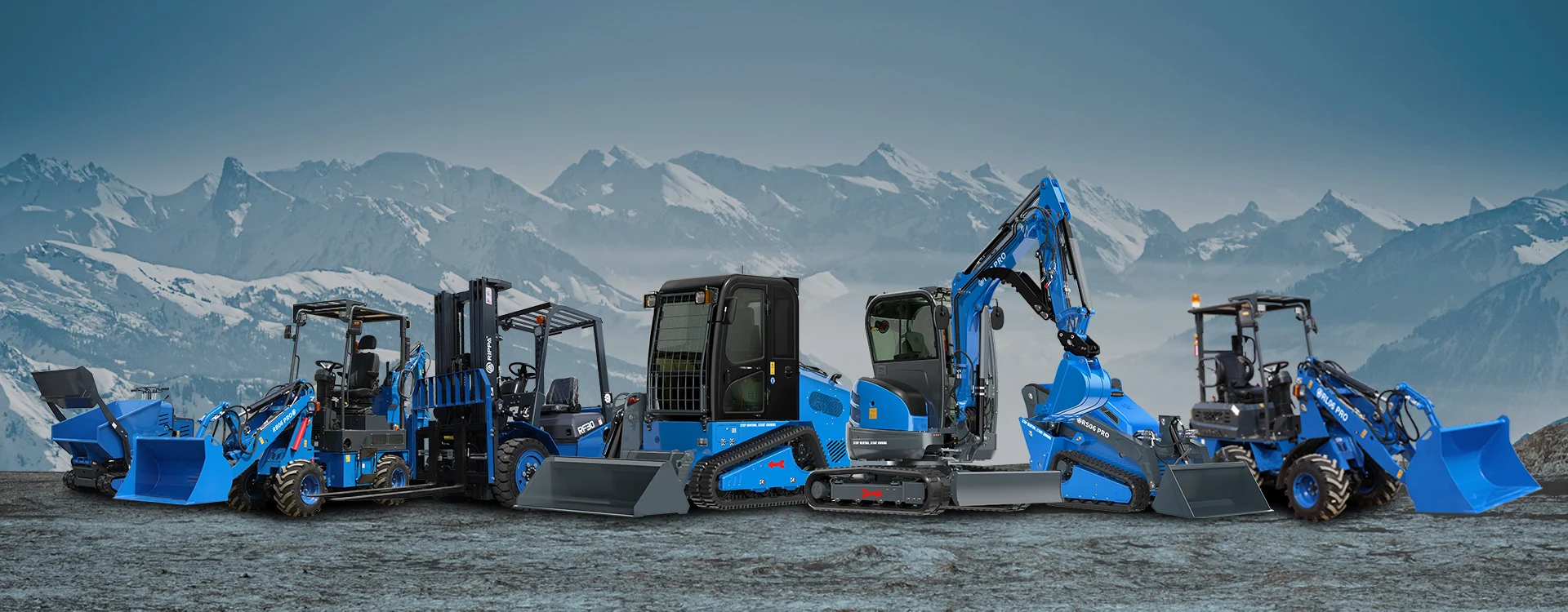
Purchasing a Chinese skid steer loader is only one part of bringing new equipment into a business. After delivery, operators need to understand the machine, supervisors need a clear operating process, and equipment managers must organize routine inspections and maintenance.
For international equipment dealers and commercial buyers, post-delivery support is an important part of the overall purchasing decision. A clear training and communication process can help customers use their equipment more effectively and reduce avoidable operating problems.
1. Prepare Operators Before the First Job
Operators should become familiar with the machine before using it in active working conditions.
A structured introduction should cover the equipment’s controls, operating procedures, safety information, and relevant instructions provided by the manufacturer.
Before operation, the responsible team should confirm that operators understand:
- The location and function of the machine controls
- The manufacturer’s operating instructions
- Basic inspection procedures
- Safe entry, exit, and positioning practices
- The correct procedures for starting and stopping the machine
- The limitations of the selected machine configuration
Training should be based on the actual model and its official documentation. Operators should not assume that every skid steer loader has identical controls or operating procedures.
2. Establish a Daily Inspection Routine
Routine inspections help operators identify visible problems before beginning work.
A company can create a simple inspection checklist based on the manufacturer’s instructions and the machine’s operating requirements.
Typical inspection areas may include:
Exterior condition: Look for visible damage, loose components, leaks, or unusual conditions.
Tires or tracks: Check their visible condition and look for damage or excessive wear.
Hydraulic system: Inspect accessible areas for signs of leakage and report unusual conditions.
Attachments: Confirm that the selected attachment is compatible, correctly connected, and in suitable condition.
Controls and safety equipment: Follow the manufacturer’s recommended checks before operation.
Any abnormal condition should be reported to the responsible supervisor. Repairs should be handled by qualified personnel according to the manufacturer’s guidance.
3. Teach Operators to Use Attachments Correctly
Skid steer loaders can perform different tasks when equipped with compatible attachments. However, operators need to understand how each attachment changes the machine’s working process.
For example:
- Buckets are commonly used for handling loose materials.
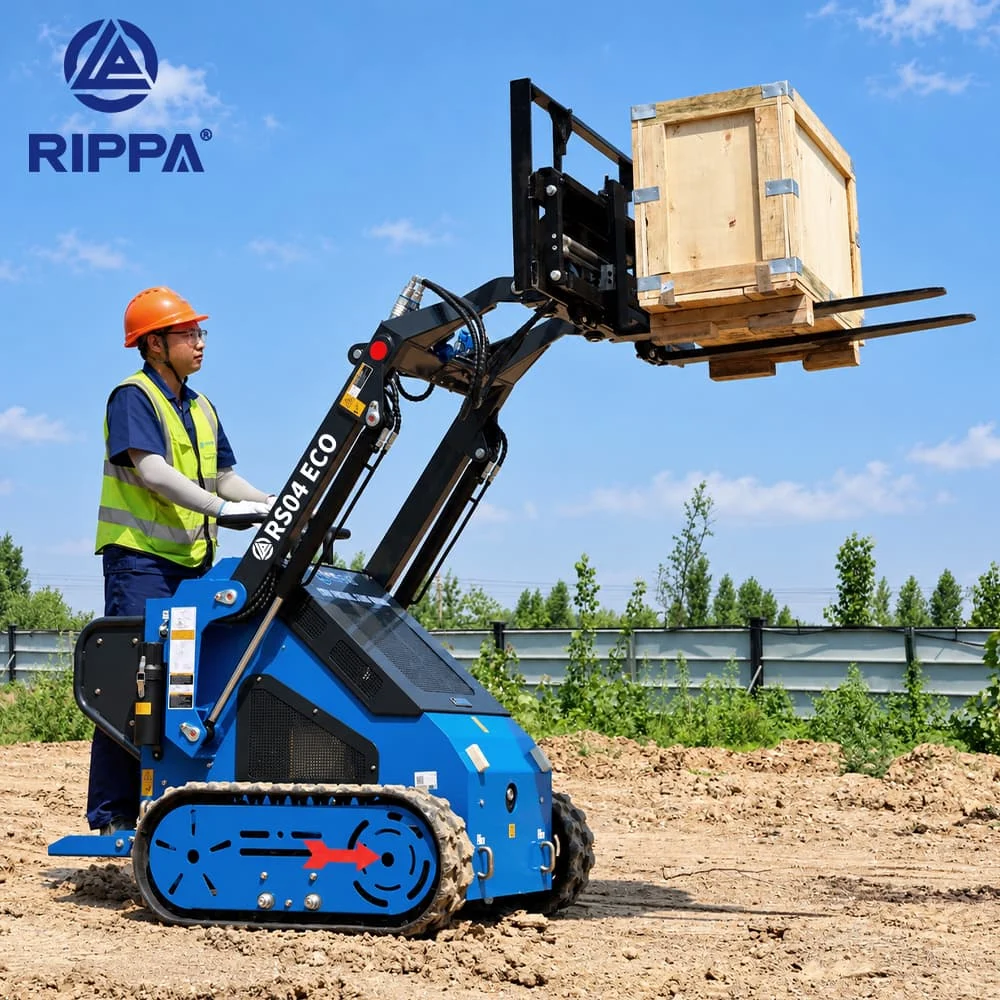
- Pallet forks support the movement of compatible palletized loads.
- Augers are used for drilling applications.
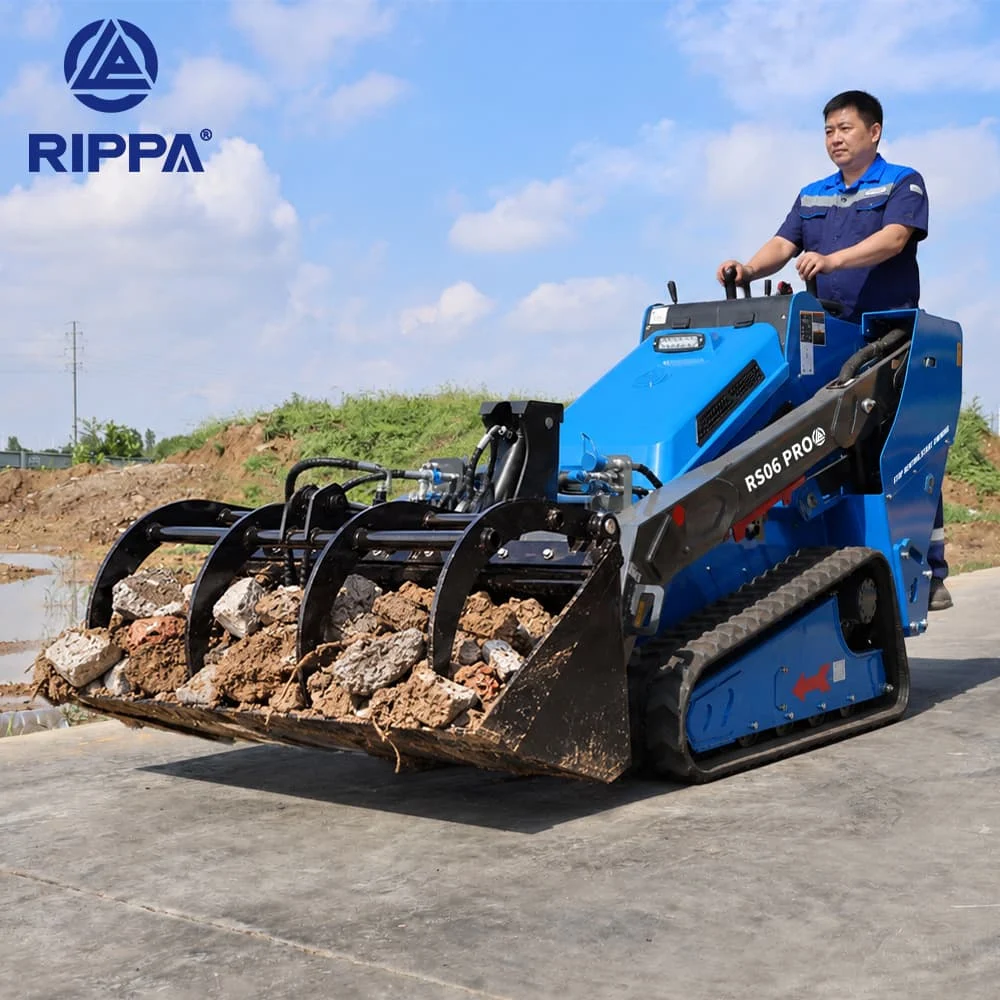
- Grapples can assist with handling certain irregular materials.
- Trenchers are designed for specific trenching tasks.
Before using an attachment, operators should confirm compatibility, connection procedures, operating limitations, and the relevant safety instructions.
Dealers should provide clear attachment information when supplying equipment. This helps customers understand which tools are suitable for their intended applications and reduces confusion during operation.
4. Organize Maintenance Communication
Equipment managers should establish a maintenance communication process rather than relying entirely on operators to report problems informally.
A practical system can include:
- Recording operating hours as required by the manufacturer
- Following the recommended maintenance schedule
- Documenting completed inspections
- Keeping records of replacement parts
- Reporting abnormal noise, performance changes, or visible leaks
- Contacting qualified service personnel when necessary
The maintenance schedule should always follow the official documentation for the specific machine. Generic online advice should not replace manufacturer instructions.
For distributors, explaining these procedures during equipment handover can improve the customer experience and help establish a professional relationship.
5. Create a Clear Spare Parts Inquiry Process
When a customer needs replacement parts, accurate identification is essential.
Dealers should encourage customers to provide relevant product information when submitting a parts inquiry. This may include:
- Machine model
- Serial number or identification information
- Part name or part number, if available
- Photos of the component
- Description of the issue
- Destination country
Providing accurate information helps the supplier identify the requested component and reduces unnecessary communication.
Distributors should also understand the manufacturer’s parts ordering procedures before promising customers a particular availability or delivery time.
6. Make Customer Support Part of the Dealer Strategy
For equipment distributors, customer support is not simply a response to problems. It is also an opportunity to build long-term business relationships.
A useful support process should include several stages.
Before delivery: Confirm the machine configuration, included items, documentation, and customer requirements.
During handover: Provide the relevant manuals, operating information, and inspection guidance.
After delivery: Maintain a communication channel for product questions, parts inquiries, and service coordination.
For repeat customers: Record frequently requested parts, common questions, and feedback that may help improve future purchasing decisions.
This process gives dealers a clearer understanding of customer needs and helps manufacturers receive more useful feedback from the market.
7. Evaluate the Manufacturer’s Support Process Before Purchasing
International buyers should discuss post-delivery support before confirming an order.
Questions worth asking include:
- Are operating manuals available for the selected model?
- How can customers identify replacement parts?
- What information is required when submitting a technical inquiry?
- How are product questions handled across different time zones?
- What procedures are available for reporting product issues?
- Which support responsibilities belong to the manufacturer and which belong to the local dealer?
Clear answers help buyers understand the supplier’s support arrangements and establish realistic expectations before the equipment arrives.
Frequently Asked Questions
Is operator training necessary for a skid steer loader?
Yes. Operators should understand the machine’s controls, safety instructions, inspection procedures, and model-specific operating requirements before using the equipment.
What should be included in a skid steer loader handover?
A handover should cover the machine’s documentation, operating instructions, inspection guidance, included accessories, and contact procedures for product support.
How can dealers make spare parts inquiries more efficient?
Ask customers to provide the machine model, identification information, part details, photos, and a description of the issue.
Should maintenance schedules be the same for every skid steer loader?
No. Maintenance requirements can differ between models and configurations. Operators should follow the manufacturer’s official maintenance instructions.
Conclusion
A successful Chinese skid steer loader purchase should include a plan for operator training, daily inspections, maintenance communication, and spare parts inquiries. These activities help equipment owners organize machine use and give dealers a more structured approach to customer support.
For international distributors and commercial buyers, evaluating post-delivery support before purchasing is an important part of selecting a long-term equipment supplier.
 Home
 Products
 Email
 WhatsApp