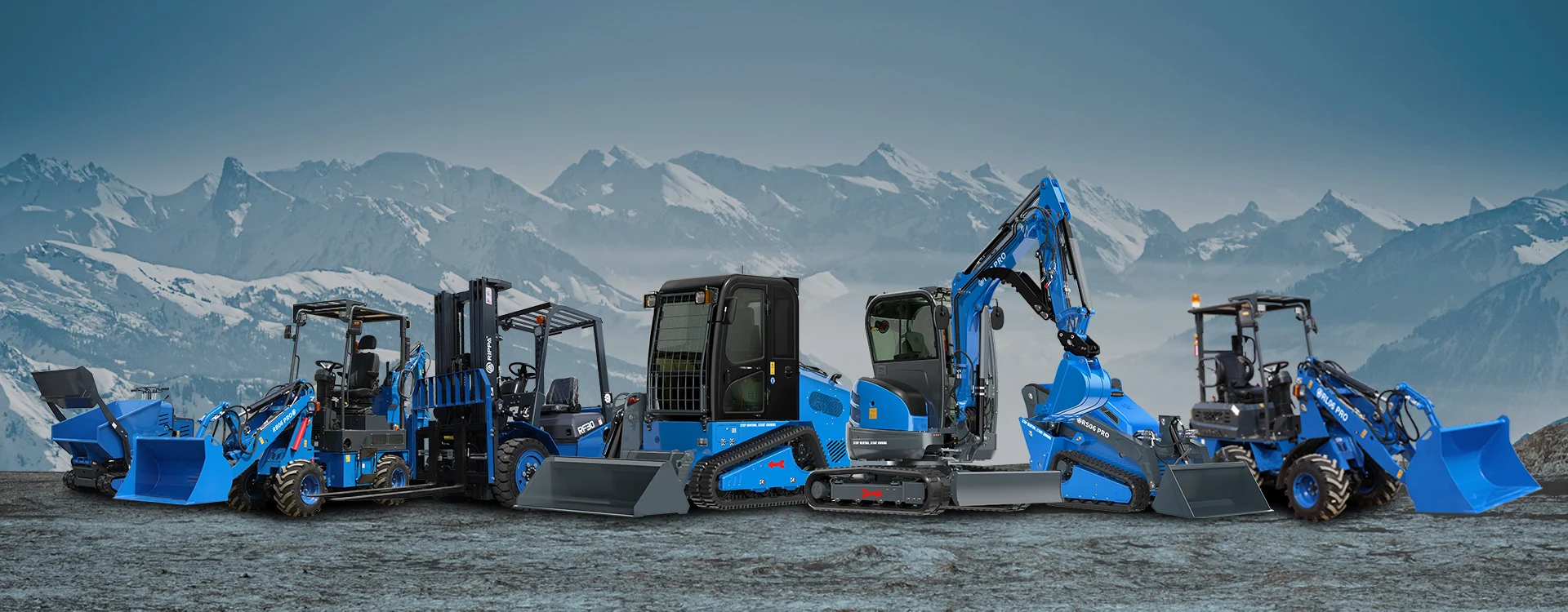
For equipment importers, wholesalers, and machinery distributors, purchasing Chinese skid steer loaders in bulk can help expand product availability and build a broader equipment business. However, a successful wholesale order requires careful planning.
Buyers need to consider more than the unit quotation. Product selection, order specifications, supplier communication, shipping arrangements, documentation, and future parts requirements all affect the purchasing process.
This guide explains how international buyers can organize a Chinese skid steer loader bulk purchase more effectively.
1. Define the Purpose of the Purchase
The first step is to clarify why the equipment is being purchased and how it will be sold or used.
Different buyers may have different requirements:
- Importers may purchase equipment for distribution through established sales channels.
- Wholesalers may focus on supplying machinery retailers and regional dealers.
- Equipment dealers may need products that match the applications and expectations of local customers.
- Contractors and fleet buyers may purchase multiple machines for their own business operations.
The purchasing purpose influences product selection, order quantity, configuration requirements, and after-sales arrangements.
Buyers should also identify their target customer groups before requesting quotations. This helps manufacturers recommend relevant product options instead of providing an unnecessarily broad product list.
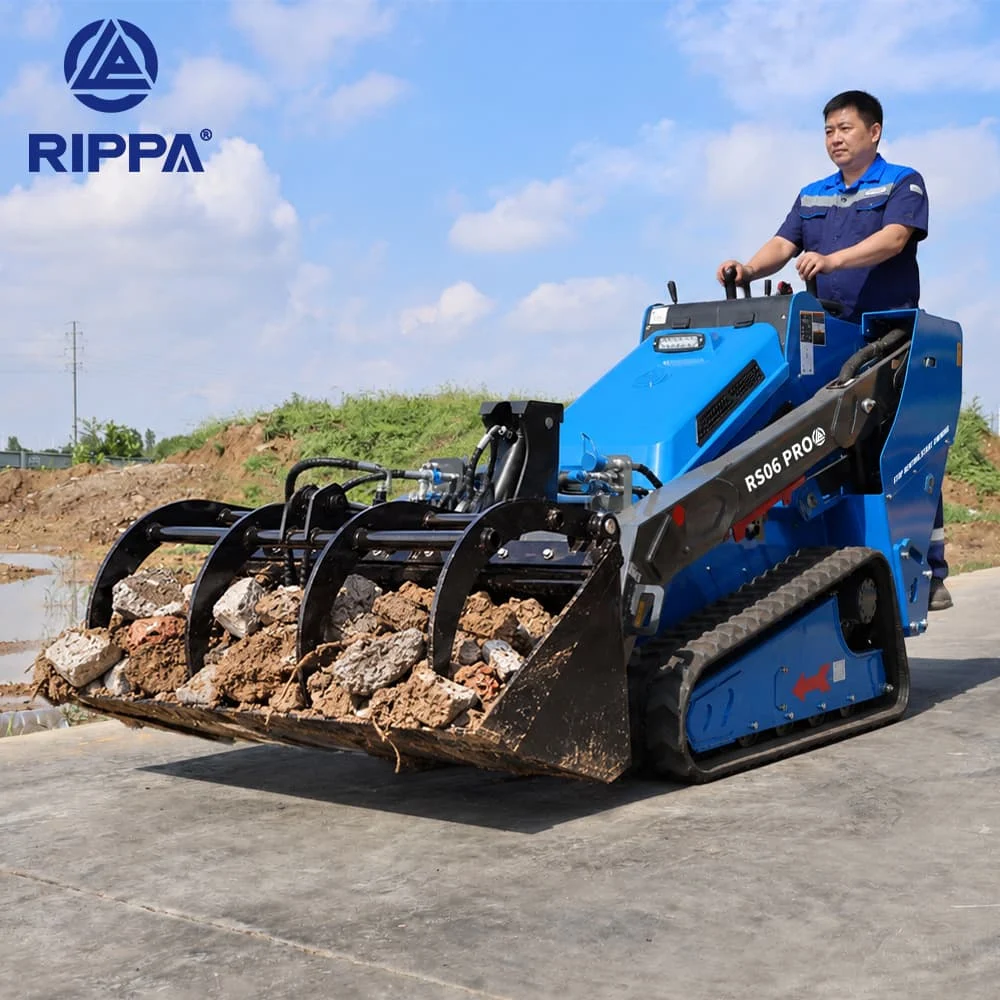
2. Prepare a Clear Product Requirement List
A detailed requirement list makes communication with manufacturers more efficient.
Before requesting a wholesale quotation, buyers should prepare the following information:
| Requirement | Information to Confirm |
|---|---|
| Product category | Skid steer loader and intended application |
| Order quantity | Estimated quantity for the first order |
| Configuration | Required machine options and operating setup |
| Attachments | Compatible tools required by customers |
| Destination | Delivery country and port or location |
| Documentation | Import and product documents required |
| Commercial terms | Quotation validity, payment, and shipping arrangements |
Not every buyer will know all the details at the beginning. However, providing the available information helps suppliers understand the project and prepare a more relevant quotation.
3. Compare Wholesale Quotations Correctly
A lower unit price does not automatically mean a better purchasing decision.
When comparing Chinese skid steer loader quotations, buyers should check whether suppliers are quoting the same product configuration and commercial conditions.
Important comparison points include:
Product configuration: Confirm that the machines being compared have equivalent configurations and included equipment.
Included attachments: Check whether attachments are included in the quotation or priced separately.
Packaging and shipping: Understand how the equipment will be prepared for transportation and whether freight is included.
Payment conditions: Review deposit requirements, balance payment arrangements, and accepted payment methods.
Documentation: Confirm which export and shipping documents the supplier will provide.
Parts arrangements: Ask about parts ordering procedures and the availability of commonly required components.
A structured quotation comparison helps buyers identify differences that may otherwise be overlooked.
4. Confirm Manufacturing and Order Communication
For bulk purchases, communication becomes especially important because several machines may need to follow the same order requirements.
Before confirming an order, buyers should establish a clear communication process with the supplier.
The discussion should cover:
- Final product and configuration confirmation
- Order quantity and commercial terms
- Production planning and progress updates
- Pre-shipment inspection arrangements
- Packaging and shipping coordination
- Required export documentation
Buyers should keep written records of the confirmed order details. Any changes to the configuration, quantity, or delivery arrangements should be documented and acknowledged by both parties.
This reduces the risk of misunderstandings during production and shipment.
5. Plan Shipping and Import Documentation Early
International shipping should be considered before the purchase order is finalized.
Buyers need to confirm the destination, shipping method, transportation responsibilities, and documents required by the destination country.
Depending on the market and transaction, relevant documents may include a commercial invoice, packing list, bill of lading, and other documents requested by customs or local authorities.
Import requirements can vary by country. Buyers should consult their customs broker or relevant authorities to verify applicable duties, taxes, product requirements, and clearance procedures before shipment.
Early preparation helps prevent avoidable delays and unexpected costs.
6. Include Spare Parts in the Procurement Plan
A bulk equipment purchase should also consider future maintenance and parts demand.
Importers and distributors may need to maintain a suitable parts supply for their customers. Before placing an order, they should ask the manufacturer about:
- Available replacement parts
- Parts identification and ordering procedures
- Technical documentation
- Recommended maintenance information
- Communication channels for parts inquiries
The exact parts list should be based on the selected machines, expected applications, and local service capabilities.
Planning parts procurement alongside the equipment order can help distributors prepare for customer support after delivery.
7. Evaluate the Supplier Beyond the First Order
A bulk purchase can become the beginning of a long-term supply relationship. Buyers should therefore assess whether the supplier can support future business requirements.
Consider the supplier’s product range, manufacturing background, export communication, order management, documentation, and parts support procedures.
It is also useful to discuss how repeat orders will be handled and how changes in product requirements will be communicated.
A supplier that understands the buyer’s market and business model may be better positioned to support future purchasing plans.
Frequently Asked Questions
What should buyers prepare before requesting a wholesale quotation?
Prepare the required product category, estimated quantity, destination, configuration preferences, attachment requirements, and relevant commercial information.
Is the lowest Chinese skid steer loader quotation always the best choice?
No. Buyers should compare equivalent configurations, included items, shipping conditions, documentation, payment terms, and parts arrangements.
Should spare parts be included in a bulk equipment purchase?
Buyers should evaluate parts requirements before placing the order. The appropriate selection depends on the machines, applications, and local support arrangements.
What documents are needed to import Chinese skid steer loaders?
Common shipping documents may include a commercial invoice, packing list, and bill of lading. Additional requirements vary by destination and should be confirmed with local customs professionals.
Conclusion
A successful Chinese skid steer loader wholesale purchase starts with clear requirements and continues through supplier evaluation, quotation comparison, order confirmation, shipping preparation, and parts planning.
For international importers and distributors, a structured procurement process helps reduce uncertainty and supports more consistent equipment sourcing. Buyers should choose suppliers based on the complete business relationship rather than unit price alone.
 Home
 Products
 Email
 WhatsApp